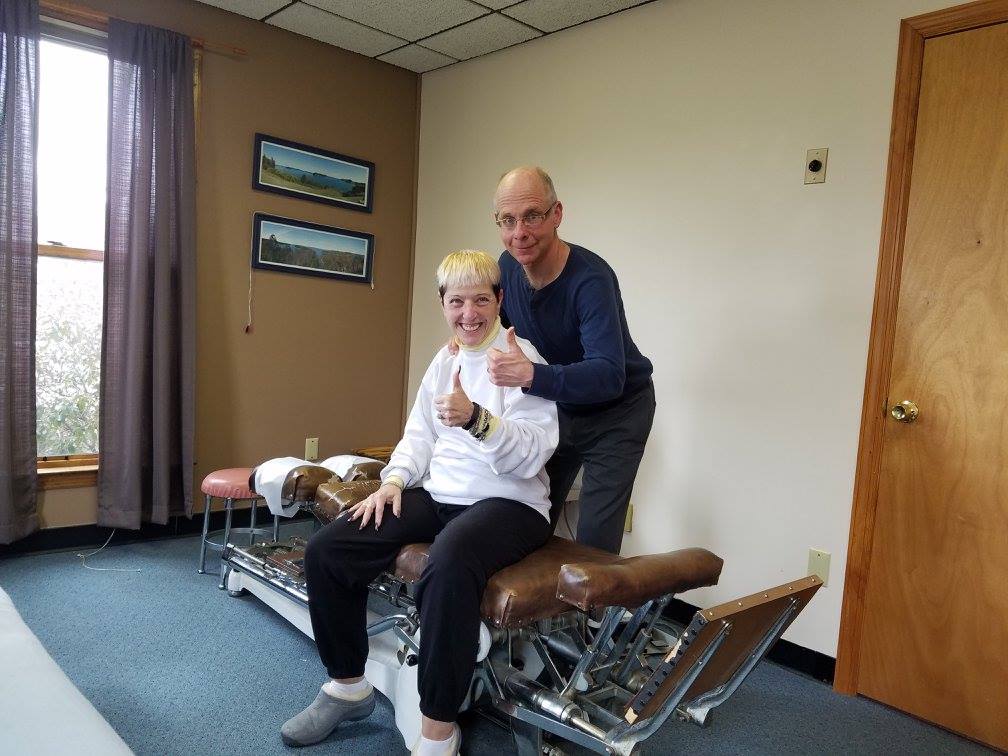
Like most local business owners, he knew reviews mattered. He had a review card at the front desk — tap or scan, straight to Google.
Simple enough. Except it wasn't working.
The one-shot problem.
Every time he asked a patient to leave a review, he was really asking them to do it right there — while he stood watching.
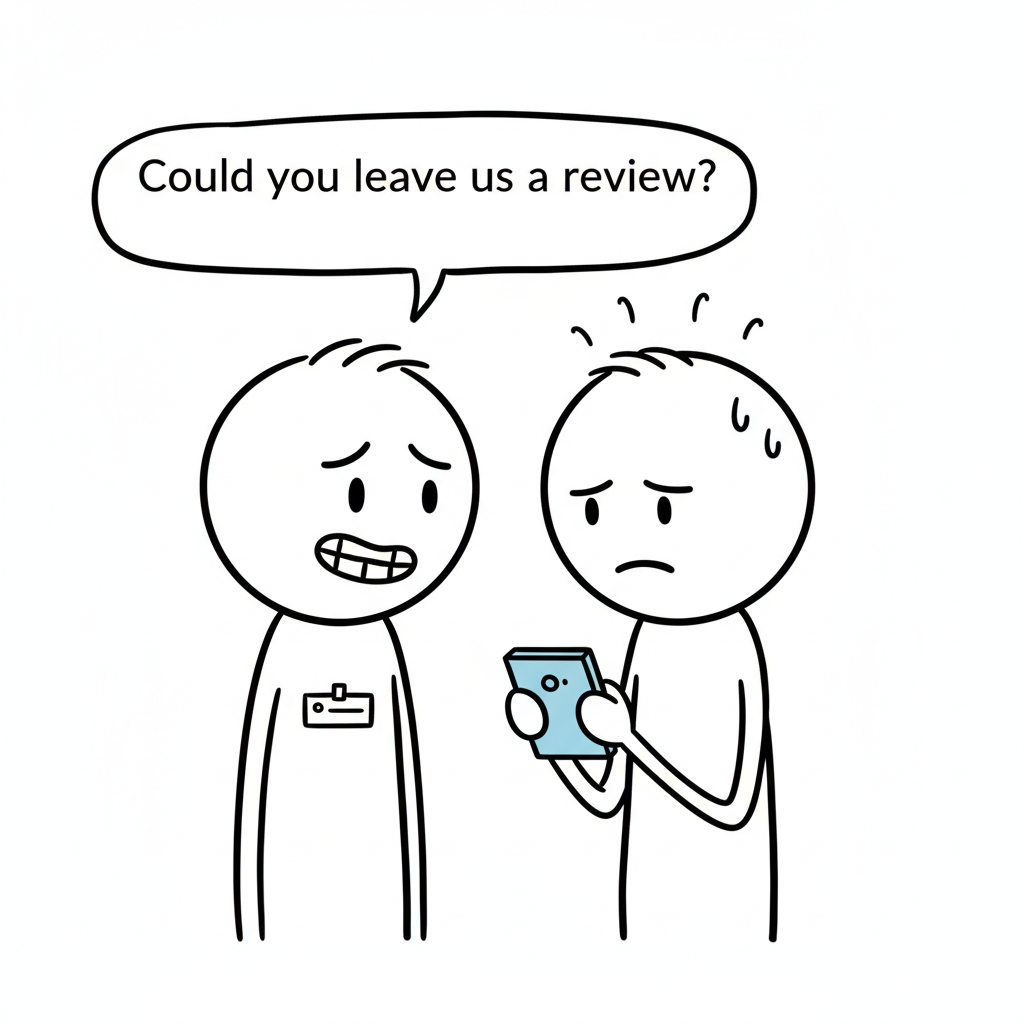
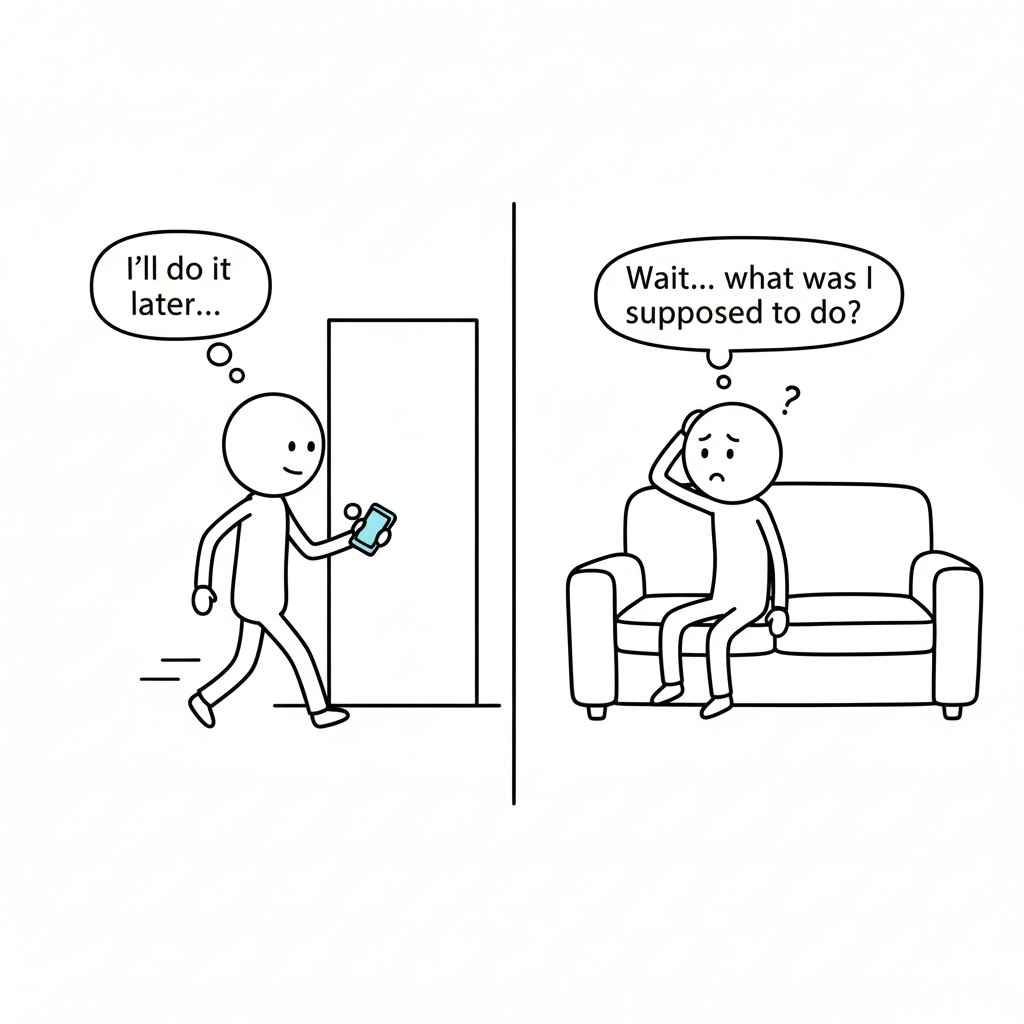
Most people would tap the card, see the Google page, and... pocket their phone. Maybe they meant to do it later. Maybe they were just being polite.
Either way, the review never happened. And here's the real problem: you can't ask again.
They already tapped the card. They already went through the motion. In their mind, they did their part. Asking again feels pushy — and with a regular review card, there's no other option.
Happy customers. No reviews.
And no way to follow up.
One ask. Four chances.
What if the card itself could follow up — automatically — so you never have to ask again?
Instead of asking for a review on the spot, the ask becomes:
If you had a good experience, tap this card and we'll text you a review link later when you have a minute.
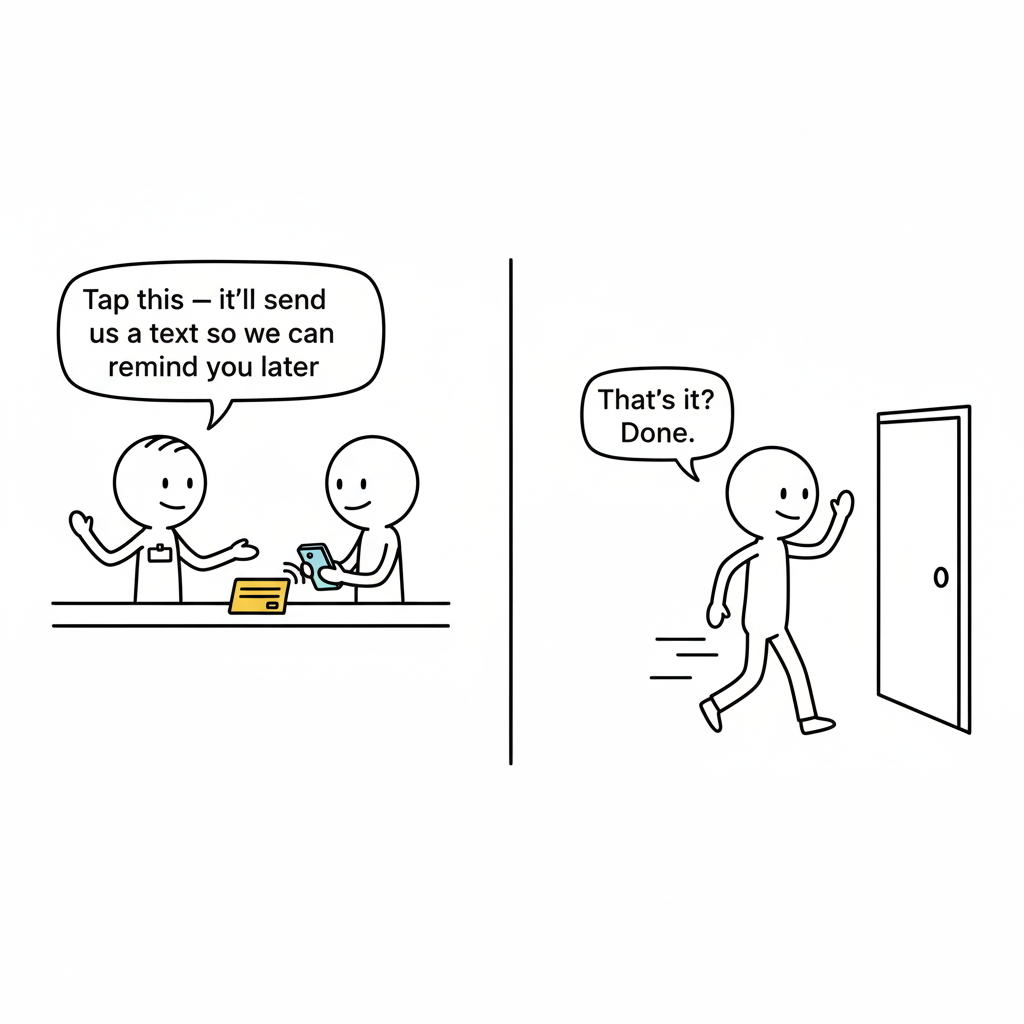
That's it. No pressure. No awkward standing around. The customer taps, sends a pre-filled text, and leaves. Two taps, done.
Later — when they're home, relaxed, and have time — they get a text with the review link. If they don't review? Another text goes out. And another. Up to three follow-ups, automatically.
One tap at checkout = four chances to get the review. The provider asks once. The automation handles the rest. No more burned opportunities. No more awkward second asks.
Better reviews, not just more.
Here's what we're betting on: the reviews will be better.
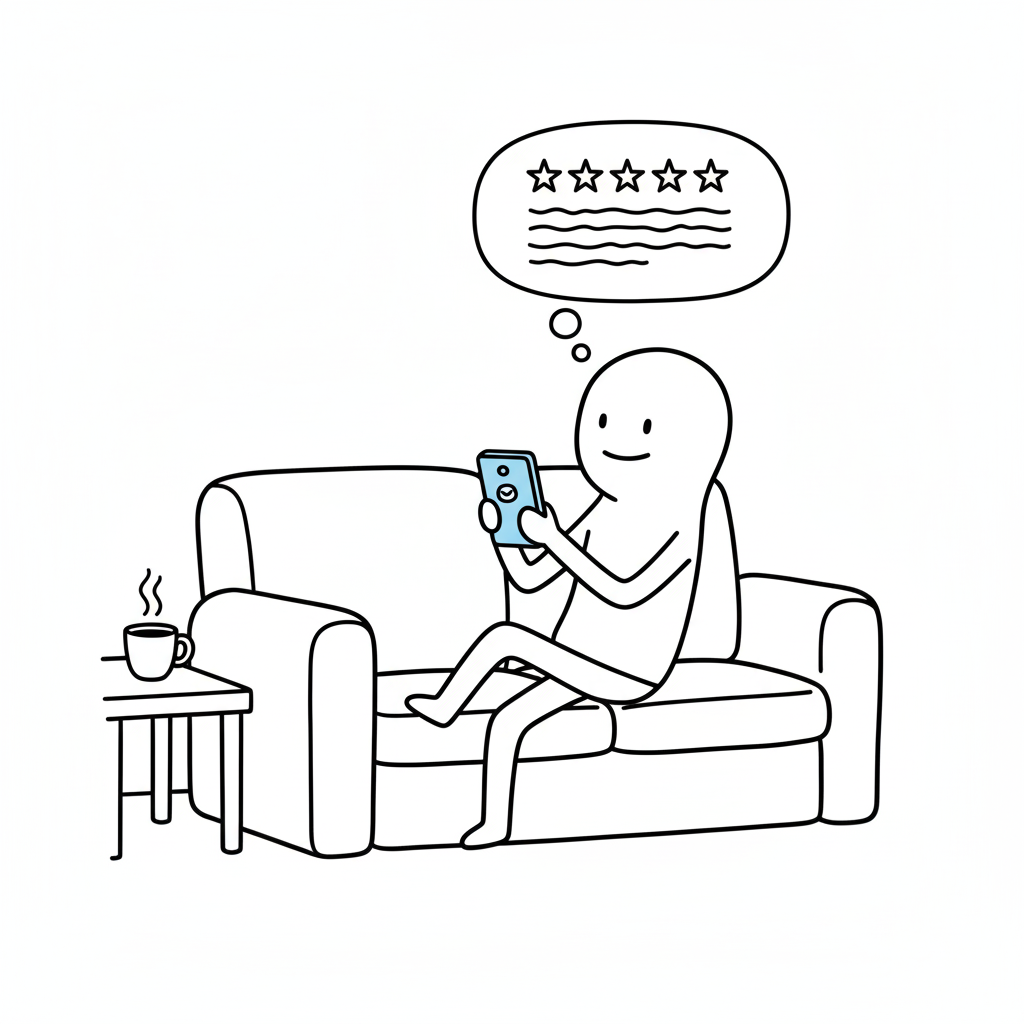
When people review on the spot, they rush. Tap five stars, maybe a few words, done. But when they review later — at home, with time to think — they're more likely to write actual paragraphs. Describe what they liked. Use specific words.
Reviews aren't just nice to have — they're how Google ranks you, how AI describes you, and how new customers find you.